
Veterinary Practice Bankruptcy: Subchapter V for Small-Clinic Restructuring

Melissa Youngman, PA and Winter Park Estate Plans & ReOrgs represent businesses in Chapter 11 and Subchapter V cases before the United States Bankruptcy Court for the Middle District of Florida, including the Orlando, Jacksonville, Tampa, and Fort Myers divisions, with a primary practice footprint in Orange, Seminole, Osceola, Volusia, Lake, and Brevard counties.
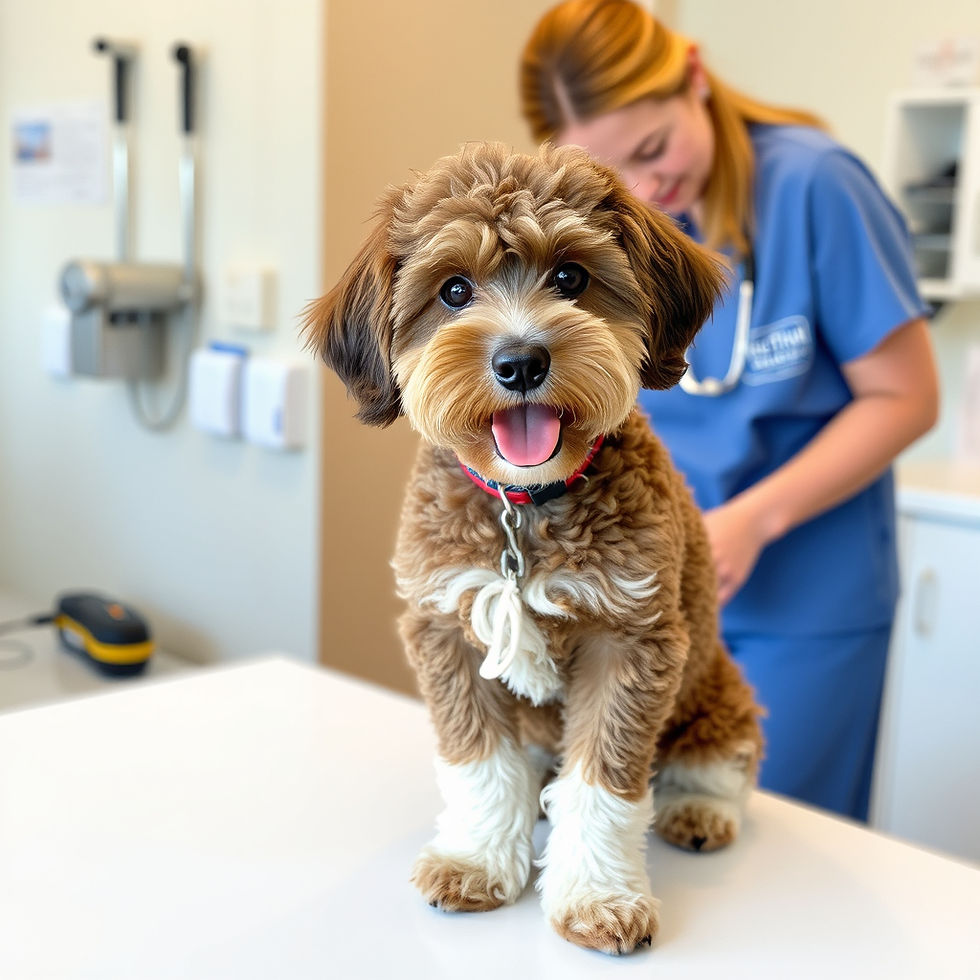
A Central Florida veterinary practice carries a balance sheet that resembles, in several respects, a medical or dental practice in financial distress: equipment loans secured against diagnostic machinery, a facility lease that predates the trouble, and professional licenses that state and federal regulators can restrict or revoke. Subchapter V bankruptcy is available to veterinary practices that satisfy the eligibility requirements of 11 U.S.C. § 1182(1), and the restructuring mechanics work largely as they do for physician groups and dental offices. Two features of veterinary practice, however, make the analysis distinctive: the handling of DEA controlled substance registration under federal law and the treatment of animal inventory as estate property.
This post addresses how Subchapter V applies to small veterinary clinics and multi-veterinarian practices in Central Florida, with particular attention to the issues that differ from a standard small-business reorganization.
Subchapter V Eligibility for a Veterinary Practice
Section 1182(1) defines the "small business debtor" eligible to elect Subchapter V. A veterinary practice qualifies if: it is engaged in commercial or business activity; at least 50 percent of its aggregate noncontingent, liquidated debts arose from those commercial activities; and the total of those debts does not exceed the current statutory cap of $3,424,000.00. Publicly traded companies are excluded, a category that generally does not apply to a closely held veterinary clinic.
For a solo-practitioner clinic or a small multi-doctor practice in Orange, Seminole, or Osceola County, eligibility is usually the straightforward part of the analysis. The debt on a typical veterinary balance sheet, including equipment loans, a facility lease, trade payables to pharmaceutical distributors, and any outstanding SBA or bank credit line, arose from the practice. The 50 percent commercial-debt threshold is ordinarily met without difficulty. The cap is the variable that matters most. A practice with significant equipment debt, a large leasehold obligation, and overdue supplier balances should aggregate those figures before filing. A debt load above $3,424,000.00 does not foreclose bankruptcy relief; it routes the case to traditional Chapter 11 instead.
Equipment Financing and Secured Lenders
Diagnostic and surgical equipment is among the larger secured-debt items on a veterinary practice balance sheet. Digital radiography systems, ultrasound units, anesthesia machines, dental scaling equipment, and in-house laboratory analyzers are typically financed through equipment loans or capital leases, with the lender holding a security interest in the specific asset. Those security interests survive the bankruptcy filing.
What Subchapter V changes is the treatment of those secured claims in the plan. Under § 1129(b)(2)(A), read together with the nonconsensual cramdown framework of §§ 1191(b) and (c), a plan can modify the lender's claim to provide for payment of the secured portion at a market interest rate over a period that works for the practice's cash flow, even if the lender objects. The debtor retains the equipment and services the secured portion through plan payments.
The negotiating dynamic in a veterinary practice case parallels what occurs in medical and dental reorganizations. Equipment lenders whose collateral is specialty diagnostic hardware with a thin resale market often prefer a performing plan over repossession of machinery that is worth considerably less when removed from the clinical setting. That preference creates room to negotiate repayment terms without contested litigation.
DEA Registration and Controlled Substance Licensing
The most distinctive compliance issue in a veterinary practice bankruptcy is the DEA registration. Veterinarians are authorized to handle Schedule II through V controlled substances, including opioid analgesics, sedatives, and euthanasia agents, under a registration issued by the Drug Enforcement Administration pursuant to 21 U.S.C. § 823(g). That registration is a regulatory privilege, not a transferable property right, and the DEA has authority to revoke, suspend, or restrict it based on conduct inconsistent with the public interest.
A Chapter 11 or Subchapter V filing does not, by itself, cause the DEA to revoke or suspend a veterinary registration. The DEA's primary concern is compliance with dispensing and record keeping rules, not the debtor's financial condition. But the bankruptcy filing creates practical considerations that counsel must address at the outset of the case.
The practice's inventory of controlled substances is property of the bankruptcy estate under § 541(a). Its disposition is subject to the automatic stay of § 362 and, separately, to the regulatory requirements of the DEA and the Florida Department of Health. The debtor continues to use controlled substance inventory in the ordinary course of business under § 363(c)(1), which permits ordinary-course transactions without court approval, but DEA record keeping requirements remain fully in effect regardless of the debtor's bankruptcy status.
Pre-petition counsel should confirm that no DEA show-cause proceeding or state licensing disciplinary action is pending at the time of filing. A registration suspension during a Subchapter V case would impair the practice's ability to operate as a going concern and, with it, the feasibility finding required under § 1129(a)(11) for plan confirmation.
Executory Contracts, Leases, and Animal Inventory
A veterinary practice's executory contracts require early attention in Subchapter V. The facility lease is ordinarily the largest. Under § 365, the debtor must assume or reject the lease, and a decision to assume requires curing any pre-petition monetary default. Practices with above-market leases may benefit from rejection, depending on whether an acceptable alternative location is available. Practices whose client base is tied to a specific neighborhood, a clinic embedded in the community in Maitland, Casselberry, or Longwood, for example, will generally need to assume and cure.
Pharmaceutical distributor agreements and supply contracts are also executory. Distributors holding unpaid pre-petition balances may decline to extend credit post-petition until the debtor demonstrates it can fund current operations. Where a distributor is critical to the practice's ability to operate, a first-day motion to honor critical vendor obligations may be appropriate, subject to the court's discretion and the facts of the specific case.
Animal inventory, including vaccine stocks, controlled and non-controlled pharmaceuticals, and surgical supplies, constitutes estate property under § 541. The automatic stay of § 362 applies to it. The practice draws on that inventory in the ordinary course of business, but the DEA's dispensing and inventory reconciliation requirements operate independently of the bankruptcy case. Inventory controls that would satisfy the DEA in normal operations continue to be required during the case.
Creditor Committees in MDFL Veterinary Cases
In the Middle District of Florida, the United States Trustee typically appoints an unsecured creditors' committee only in larger, more complex Chapter 11 cases with a sizeable creditor class. For most small veterinary practices filed in this district, no committee is formed. Unsecured creditors, such as pharmaceutical distributors, equipment lessors, and general trade payables, act individually or not at all. Subchapter V reinforces this outcome: § 1181(b) suspends the § 1102 committee provisions absent a court order for cause, and the SubV trustee serves a facilitating role rather than an adversarial one aligned with any particular creditor constituency. For a small veterinary practice, the absence of a committee materially reduces the cost and complexity of the case.
Veterinary Practices in Central Florida
Orange, Seminole, Volusia, and Brevard counties support a substantial number of small animal, mixed animal, and specialty veterinary clinics. Practices in Winter Park, Oviedo, Lake Mary, Kissimmee, and surrounding communities that are carrying debt within the Subchapter V cap have access to the same reorganization framework available to any qualifying small business. The analysis begins with the balance sheet, the facility lease, the equipment loan schedule, a current DEA compliance review, and a realistic projection of post-petition operating cash flow.
Melissa Youngman, PA d/b/a Winter Park Estate Plans & ReOrgs represents businesses in Chapter 11 and Subchapter V cases throughout the Middle District of Florida. For more on Subchapter V for professional practices, see our guide on Medical Practice Reorganization.
Disclaimer. The information on this blog is provided by Melissa Youngman and Winter Park Estate Plans & ReOrgs for general informational and educational purposes only. It is not legal advice, is not intended to create an attorney-client relationship, and should not be relied on as a substitute for consultation with a qualified bankruptcy attorney licensed in your jurisdiction. Reading this post, contacting the firm through its website, or sending an unsolicited email does not create an attorney-client relationship. An attorney-client relationship with Melissa Youngman and Winter Park Estate Plans & ReOrgs is formed only after a written engagement agreement is signed by both the client and the firm.
Melissa Youngman is licensed to practice law in the State of Florida and regularly represents debtors, creditors, and other parties in interest in the United States Bankruptcy Court for the Middle District of Florida. This blog addresses issues under federal bankruptcy law and Florida state law; the outcome of any specific matter depends on its particular facts and on statutes, rules, and case law that may have changed after the date of publication.
Past results do not guarantee a similar outcome. No representation is made that the quality of legal services to be performed is greater than the quality of legal services performed by other attorneys.
This communication may be considered lawyer advertising under the rules of the Florida Bar. The hiring of a lawyer is an important decision that should not be based solely on advertisements. Before you decide, ask the firm to send you free written information about its qualifications and experience.


Comments